Choosing Edible Flowers for Birthday Cake
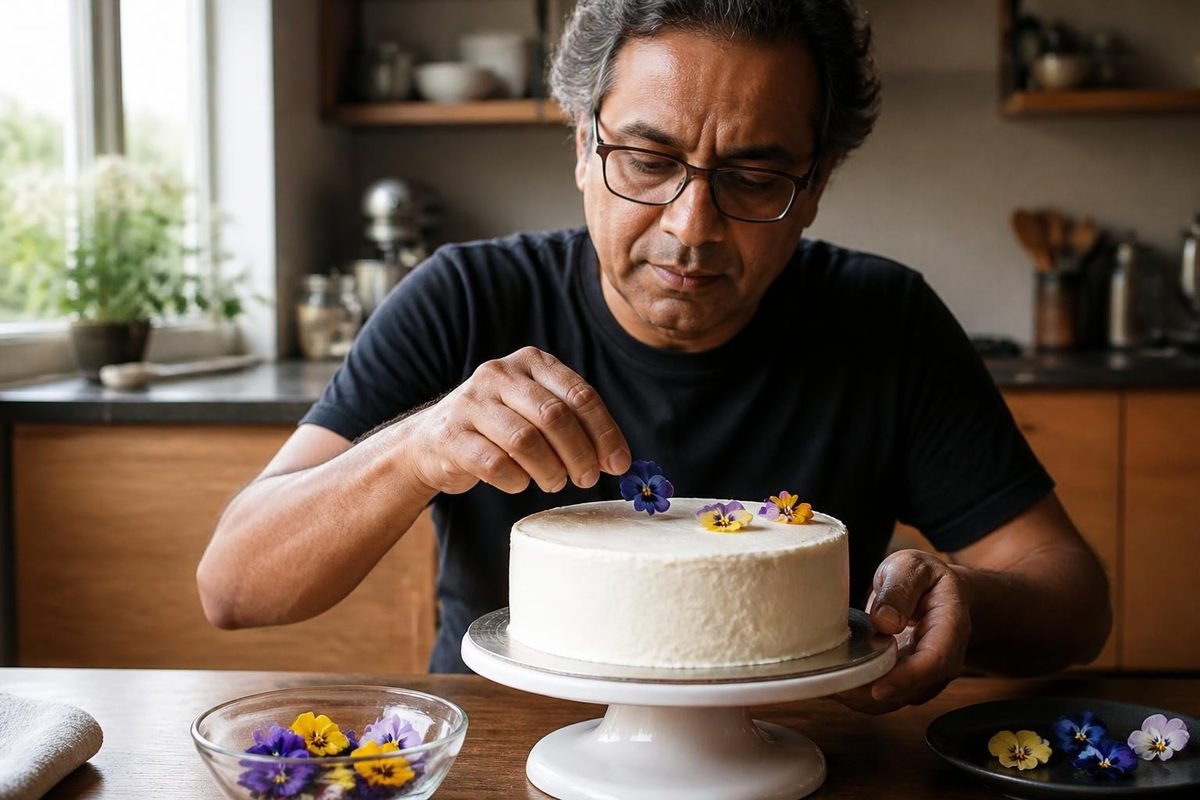
Pansies, violas, calendula, nasturtiums, roses and culinary lavender can decorate a birthday cake, provided the flowers are grown for eating. Choosing blooms that are local and in season, then using a modest amount, can make the decoration more considered and help limit waste.
Pick blooms for colour and flavour
Edible flowers offer colour and form without plastic cake toppers, but their tastes differ. Match each one to the cake instead of assuming every petal will work like a mild salad leaf.
- Pansies and violas: Their flavour is gentle, and the small flowers look at home scattered across pale icing.
- Calendula: Yellow and orange petals bring a bright finish. Separate the petals from the flower head and scatter them over the cake.
- Nasturtiums: Their peppery taste can offset a cake or cream cheese frosting that is not too sweet.
- Roses: Fragrant edible petals pair well with vanilla, lemon and berry cakes. Before serving, trim away the bitter white base of each petal.
- Lavender: Culinary lavender has a pronounced taste. Add a few small florets rather than coating the cake with them, since a little can be enough.
Be certain the flowers are safe
Some flowers cannot be eaten, and plants that look alike can be confused. Use a bloom only if you can identify it confidently and have confirmed that it is edible. Choose flowers sold for eating, or grow your own from plants with a known treatment history.
Do not use flowers from florists, garden centres or roadsides. They could have received treatments unsuitable for food, or been exposed to pollution. Familiar looks are not proof that a flower is safe, even if its colour seems just right beside birthday candles.
Some guests may be allergic or sensitive to flowers. Tell everyone what is decorating the cake. If a guest is uncertain, consider setting aside a serving without flowers.
Make choices that reduce waste
Flowers grown nearby and picked in season may travel less than blooms shipped from farther away. Growing edible flowers in a suitable garden or a sunny pot can provide a small supply and avoid some extra packaging.
Ask a nearby grower about growing methods and whether the flowers are meant to be eaten. Buy or pick only a small amount, then shape the design around what you have. A few well placed petals may be more effective than a dense covering that guests leave on their plates.
Prepare the flowers and decorate
Rinse the flowers gently with cool water, then leave them to dry on a clean towel. Remove stems and any other parts you do not intend to serve. Check each flower before use, because some edible plants have parts that are not edible.
Store prepared blooms somewhere cool and put them on the cake shortly before serving to help them stay fresh. Set them on the frosting or beside fruit, while leaving room for candles and for cutting slices.
A simple arrangement lets the cake remain the focus. Enjoy it, and compost leftovers if they are suitable for composting.
A related guide: find out more